
© Copyright 2024 Hepatic Doctor - All Rights Reserved
Auntie Li, a 56-year-old company executive, lives like a non-stop marathon. Her stressful job often requires her to stay up late and work overtime, and her hair has become colourful due to years of hair dyeing. For the sake of beauty, she also dyed her nails frequently. However, she neglected one important fact: health.
Auntie Li recently felt that her mouth and eyes were always dry, and she didn't have as much energy at work as she used to. She also remembers that she used to suffer from urinary tract infections, but she was always too busy with her work to pay much attention to it.
One day, Auntie Li went to the medical check-up centre for a comprehensive body check. After the results came out, the doctor told her that there were some abnormalities in her liver function. Specifically, her ALT, AST and γ-glutamyl transpeptidase were all higher than normal.
ALT: 65 U/L (normal: <35 U/L)
AST: 58 U/L (normal: <35 U/L)
Gamma-glutamyl transpeptidase: 110 U/L (normal value: 9-48 U/L)

Upon the doctor's questioning, Auntie Li recalled that her gamma-glutamyl transpeptidase was actually elevated many years ago. She also often felt itchy skin and fatigue, but never took it seriously.
Further tests showed that Auntie Li was positive for M2 antibodies, AMA (anti-mitochondrial antibodies), positive for SSA and SSB antibodies, and had elevated IGG and IGM. Ophthalmological examination revealed that she was suffering from dry eye.
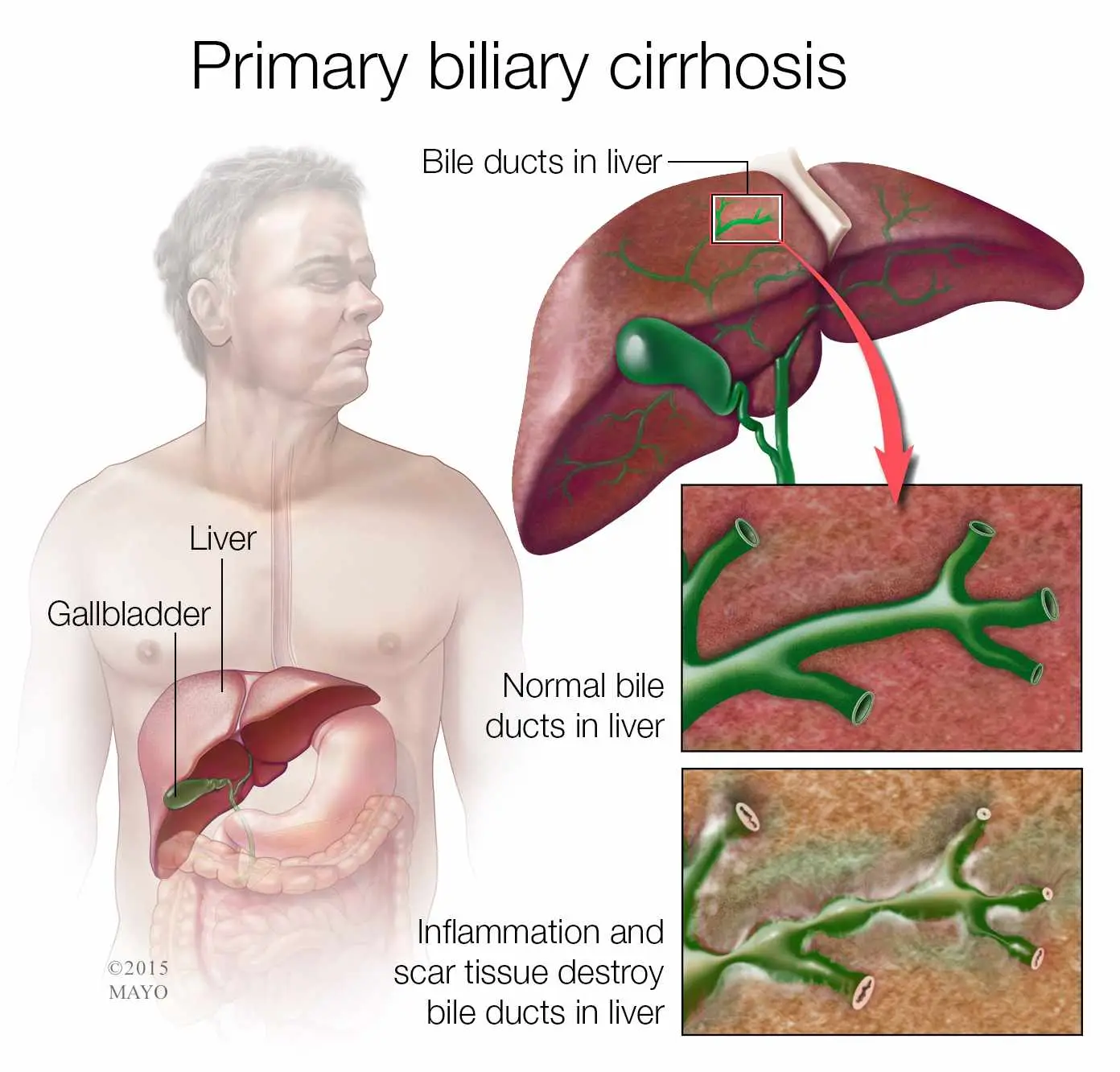
Combining these findings and symptoms, the doctor finally diagnosed Auntie Li with Primary Biliary Cholangitis (later referred to as PBC) combined with Dry Eye Syndrome. Auntie Li was anxious, what kind of disease is PBC? The doctor told her that PBC, also known as primary biliary cirrhosis, is an organ-specific chronic cholestatic autoimmune liver disease. The disease is characterised by the accumulation of bile in the liver, the presence of anti-mitochondrial antibodies in the circulating blood, and the progressive, non-suppurative inflammatory destruction of the small bile ducts in the liver, which ultimately leads to extensive hepatic ductal destruction, biliary cirrhosis and even liver failure. About 90% of patients are female, the age of onset is 30-65 years, and 30-50% of asymptomatic patients are usually detected during routine examinations. The etiology and pathogenesis are not well defined, and infections and autoimmunity may be associated with the disease. Currently, the diagnostic criteria for PBC are based on the following three criteria: (1) abnormal elevation of cholestatic enzymes; (2) positive serum antimitochondrial antibody or antimitochondrial antibody type M2 (AMA-M2) antibody; (3) hepatic histological support for primary biliary cholangitis. The diagnosis can be made if 2 of these items are met.
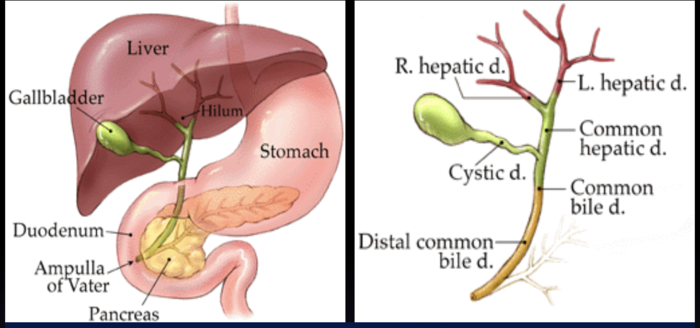
PBC: "The impact of primary biliary cholangitis on liver health is significant due to its chronic nature and specific targeting of the bile ducts," explained Dr. Smith, a hepatologist specializing in liver disorders.
The doctor prescribed some medications for Auntie Li, including Ursodeoxycholic Acid. With the help of treatment, her liver function gradually stabilised.

Liver Specialist: "Early recognition of symptoms and proactive management are essential in addressing the potential complications arising from untreated primary biliary cholangitis," emphasized Dr. Johnson, a specialist in liver diseases.
The doctor told Auntie Li that Ursodeoxycholic Acid is currently the only recommended treatment for primary biliary cholangitis. It should be used early, and long-term use of the drug can improve the patient's serological and histological abnormalities and slow down disease progression. Therefore, she needs to take ursodeoxycholic acid for life, and the dosage of ursodeoxycholic acid needs to be calculated according to the patient's body weight, and the dosage of ursodeoxycholic acid should not be arbitrarily reduced or discontinued just because the liver function has improved. At the same time, it is necessary to pay attention to adjust the lifestyle, reduce work pressure, and maintain good rest and dietary habits. In addition, PBC patients with fatigue are more common, Auntie Li does not need to be very anxious about fatigue, combine work and rest in daily life, and regularly assess fatigue and quality of life, there are existing PBC assessment scales such as PBC-40, and there are scholars in China who have studied the Chinese PBC Patient Fatigue Scale to assess the patient's fatigue, sleep, and anxiety. If you are interested, you can use the relevant scale for self-assessment.
This experience made Auntie Li realise that health is more important than work. She decided to start paying more attention to her health, stay up less late, reduce work pressure and pay more attention to her health.